Saturday, May 11, 2013

How To Care For Your Betta Fish.


Betta fish, or betta  splendens (their scientific name), come from a decent sized genus of fish, commonly called Siamese fighting fish. They are relatively small in size and usually brightly colored. Bettas are a special kind of fish called a labyrinth fish. They are typically aggressive fish, and were forced to fight each other for lots of yearsbrutal actions have earned them the title Siamese fighting fish. For this reason, They are usually happiest when in their own tank.

Bettas are relatively small. The average Bettas barely get to 3 inches long in their lifetime. Bettas in the fish stores have vibrant and exotic colors. These fish are the results of many years of selective breeding. All have fins that are fairly small, but because of selective breeding some have larger fanned out fins.

For the most part, it's a good idea to keep male bettas separate. They will battle one another every chance they can if they are together. This is also true for betta fish of opposing sexes. Unless you are breeding betta fish – which is really best left for the more seasoned fish keeper, one shouldn't ever keep opposing sex betta fish with each other. Female bettas are the exception. With the condition that you have a large enough tank, you can have groups of 3 – 7 females together. There should also be lots of of places to hide when they are kept together. However, bettas are able to be be in the same tank as other varieties of fish. Learn about betta fish compatible tank mates to ensure you choose the right types of fish.

They have a really unique mating system. The male spreads out his fans and flares his gills to try to arouse the female. The female will darken in color when she becomes aroused. A nest of bubbles will be made near the surface by the male. 

At this point, the female will drop her eggs, so the male can fertilize them. The male betta will then gather up all the eggs in his mouth and deposit them carefully into the nest of bubbles. The fertilized eggs will stay in the safety of the nest of bubbles while they hatch and are able to swim on their own.

Recognizing their violent attitude, it's no big shock that they are carnivorous fish. They have upturned mouths and enjoy feeding on the surface of the water. Mosquito and other insect larvae provides most of their diet in the wild. If you own a betta, you can find specific food that is called betta pellets. Betta flakes and pellets are a combination of brine shrimp, shrimp, grains and mosquito larvae. it is also possible to find frozen foods to feed your betta fish.

Many people say that Bettas have a lifespan of only two to three years, yet in a proper fish tank, betta fish can live for as long as seven years. Just make sure that you provide the right habitat and food. If you are searching for a really amazing fish to keep, Bettas are a great choice.

For More Information About Betta Fish Click here

Guinea pigs Sounds


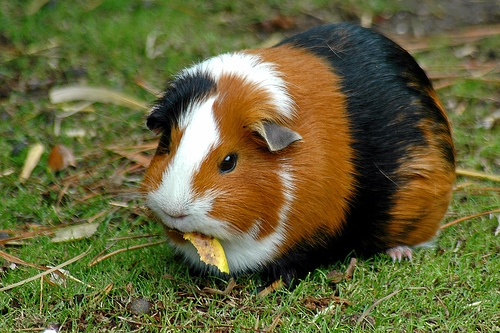
Guinea pigs use sounds as a primary means of communication.
Since cavies are herd animals,
sounds are their means of maintaining social rank.
Understanding guinea pig sounds is one of the basic prerequisites for understanding
what your pet is trying to tell you.
(Turn your speakers on, crank up the volume and click on the sound name to actually hear it. Don’t be surprised if your pet suddenly jumps into ‘stand-by’ mode if in the hearing range:)

1. Wheeking (when rustling with a plastic bag)


  • Onomatopoeic name for a guinea pig sound which is sometimes also called squealing or whistling
  • It is a common vocalization generally communicating anticipation and excitement, particularly about being fed, or in response to the presence of its owner
  • Wheeking is considered to be a form of begging, in some cases mostly heard in the morning and the evening (associated with feeding time)
  • Sometimes it serves as a call for an attention as they frequently call to their human slaves
  • One can often hear this sound when owner opens refrigerator or is rustling with plastic bags which guinea pig usually links to food source.

2. Uncertain Begging for Food.


  • This is an upgrade from the plastic-bag/fridge-opening begging. Your guinea pig soon learns other food-proximity indicators
  • This is an example of a guinea pig which is not completely sure, but seriously suspects that food is near, and is giving you a notice that he/she is also near, and ready to make that food gone
  • The sound in the background is the sound of cleaning and chopping the carrot. This guinea pig has learned that when we are preparing vegetables for a soup, there’s going to be treats. Possibly lots of them. And this is just the reminder – when he becomes sure of it, then the real wheeking begins.

3. Bubbling and Purring 


  • Bubbling or purring can be heard when the cavy is enjoying itself/being happy (e.g. when being petted or held)
  • Can be also produced when given food, grooming, or crawling around to investigate a new place
NOTE: Beware of the purring pitch and body language which complements this guinea pig sound category and could change original meaning (if the purr is higher pitched toward the end, andyour pet seems to vibrate and tense, this could be interpreted as a sound of annoyance)


4. Grazing 

  • Calming, relaxing sound of guinea pig grazing hay
  • Noise of spreading hay around with the animal’s front feet can be heard in the background
TIP: Before going to work, provide your pet with fresh dose of hay, put the cage near you and enjoy morning meditatio

5. Chirping 

  • Possibly the least understood or heard guinea pig sound
  • Sound pattern similar to bird song
  • Could be related to stress or when a baby pigs want to be fed


6. Snoring when sleeping 

  • Sound recorded while guinea pig was sleeping comfortably on the human slave belly, wrapped in the cozy towel
  • Breathing rhythm on the record does not represent the real breathing rhythm, because some of the parts were cut off so that sounds could be heard as clearly as possible
  • Do you have snoring problems? This guinea pig is daring any human to beat him in the snoring contest, se feel free to accept the challenge!
NOTE: If your guinea pig starts to make similar sounds to snoring (or wheezing/clicking) when breathing, be sure to check for symptoms of illness, just to be on the safe side

7. Beer Please! 

  • This sound has nothing to do with what you think it has to do
  • Loosely translated, it means “Can I have some beer please!“
  • It is often heard when putting the guinea pig on the starfighter in space-battle situations
  • It is reported that complying with this translation saves the owner some fingers
  • It is NEVER recommended to give your guinea pig a beer if not on the starfighter in space-battle setting

“Bad” guinea pig sounds: You are about to loose a finger (or nose tip).8. Rumbling 

  • Sounds like purring, only lower pitched (deeper) and accompanied with vibrating.
  • Response to being scared or angry in which case the rumble often sounds higher and the body vibrates shortly
  • Also related to dominance within a group
  • Petting in the wrong spots (for instance, on your pet’s underside) often results in low rumbling sound


9. Whining
10. Chutting and Whining 

Used to communicate annoyance or dislike for something an owner or another guinea pig is doing
Can be head in pursuit situations (both the pursuer and the pursuee)


11. Teeth Chattering 

  • Aggressive vocalization: a sign of an agitated or angry cavy
  • This guinea pig sound is made by rapidly gnashing the teeth
  • Often accompanied by showing the teeth (looks like a yawn, but more sinister) and raising the head
  • Freely interpreted as “back off” or “stay away”

12. Fight-or-Flight 

  • If you hear this sound, it could already be too late – you probably already took a hit 
  • Usually accompanied by teeth chattering (see previous), in some cases this sound represents the animal defending itself (usually from inside the hiding place), sometimes when tempering with the food or bedding in its near proximity
  • In other cases, it could be heard while the animal is escaping, in reaction to perceived sudden danger
  • Shortly after producing this sound, usually follows the strike – the animal is reaching out with its head from its hiding place in a short burst, trying to hit “the enemy” with its teeth
  • Owners are advised to respect the pet’s private quarters and to stay calm if getting bitten – in no circumstances should one hit the animal or yell at it
  • Our research suggests that this kind of guinea pig behavior is not very common

13. Squealing or Shrieking 

  • A high-pitched noise of discontent, pain and/or fear
  • Response to pain or immediate danger
! URGENT NOTE: Check on your pet ASAP to make sure everything is okay!

6 Guinea Pig Care Mistakes.

When dealing with guinea pigs, many mistakes are made by a simple action: visiting a pet shop. People imply by default that every and any product offered by a shop for a certain type of pet is legit and safe. Unfortunately, it is not. One of those products is a leash for guinea pigs, which in fact is a very bad idea. Cavies have very delicate spines and bone structure which can not tolerate stress generated by hamster wheels. Avoid at all costs.

Similar product, and our mistake number two, is a Hamster Wheel, which some people promote that it also works on cavies. But here is a fact: it does not work on cavies. Moreover, guinea pigs could seriously hurt themselves on that thing because of their delicate spines and bone structure which can not tolerate such stress.

Getting at number three, by putting your pet on the direct sunlight on the hot summer day, by believing that he/she need to get some sunlight and to get out of the shades. But in fact, guinea pigs have LOW tolerance for high temperatures and could suffer a heat stroke. They do prefer shades, after all, they are prey animals.

Single Guinea Pig is a mistake number 4. It could be easier to maintain and control, it is cheaper, maybe less messy, but the fact is, guinea pigs are social (herd) animals and they need company besides their human caretakers, no matter how much time they spend with their pets every day.

Small Cage is one of the most common mistakes, and here it is on number 5. Small cages do not enable fair air circulation, and there is a serious danger of higher toxic gasses fluctuation inside the cage. Smaller cages are messier, need cleaning more often, more unhealthy for your pet, and not to mention that cavies need larger living space because, well, they tend to grow.

Mistake number 6 involves improper diet - one of the most dangerous mistakes. Giving your pet human junk food, dairy products, wrong vegetables, too much fruits, or anything that is not on the "safe list", creates a danger for your cavy. Seeds are also a mistake because they are mostly empty calories with no significant nutritional value, plus bonus feature: they are choking hazard. Learning guinea pig food preferences is one of the most important prerequisites for having a guinea pig for a pet.

I've made a great deal of research about guinea pigs, and wish to share the knowledge to all who are interested. 

To learn the guinea pig language, Guinea Pig Sounds are available for playing.

How to Select a Good Dog Walking Service

Dogs are such friendly animals that many people like to have them as their pets. Dogs are sincere and lovable with their owners which make them great companions. If you can’t take your dog out a few times a day for walks, a dog walking service is the answer you’ve been looking for. Selecting the best one is easy enough to do if you do your research and make the right choice in the end. 

Importance of a Dog Walker

If you decide to have someone walk your dog for you, a dog walking service is ideal. The dog walker will take your pup out for a walk for an hour in the morning or the evening time, whichever is best for your schedule. A dog walker will fill in for you when it comes to walking your pup when you are unable to do so. Check to see how your dog and the dog walker get along so that you feel confident knowing they will be good companions when they are together. An insured and bonded dog walker is also an ideal feature to look for when choosing a dog walker. 

Just try to be extra careful when selecting the dog walker. After all, you will be leaving your pet in the hands of another and want to make sure that they receive quality care all around. 

Why Dog Walking?

If you are a dog owner, you won’t always be able to take your pet for walks on a daily basis. The dog walker who you hire can take on this role for you and walk your pup when you ask them to. Plus, dog walkers are professionals and know how to handle your dog in the best possible way. The dog walker may even train them while they are walking them which also will help you out in the end. Dog walkers fill plenty of roles and you may find a dog walker who will walk your pet and offer many other pet care services as well.
Local dogwalker.com matches qualified pet owners seeking dog walking, pet sitting, pet boarding, pet grooming and other pet related services, to an elite network of insured and bonded pet service professionals.

Get more info about dog walking services @LocalDogWalker

Tips for Litter Box Training a Dog

Smaller dogs obviously have smaller bladders. That means that they have to go outside more often than their larger counterparts. One way to avoid frequent trips outside is to teach your small dog how to use a litter box much like a cat. 

Be aware that your dog's won't have a cat's natural instincts when it comes to using a litter box or burying waste. Therefore, it will take a lot of patience when it comes to litter box training a dog. The following tips should help somewhat though.

Many people are surprised to learn that there are litter boxes designed especially for dogs. However, you can still use those designed for cats. Just make sure that it's one of the largest that you can find so that your dog doesn't have space issues.

Your little one won't just go running to the litter box whenever it's time for him to go to the bathroom. You will need to pick him up and take him there instead, at least until he gets used to the process. This means that you'll need to keep a watchful eye on your canine. 

Dogs typically start walking in circles or sniffing the ground whenever they're about to go. Dogs also have to eliminate whenever they wake up in the morning, so take him to the box then too. A few minutes after he eats is another time that he needs to be taken to the litter box.

You may not want to go about litter box training a dog right from the start. The old method of using newspaper will help considerably. Once your dog gets used to going on the paper, you can just switch it out to a litter box.

As with any type of training, you will need to be patient with your dog. Whenever things go right, make sure that you praise him for it. Give him a nice treat or two whenever he successfully uses the litter box too. 

Conversely, make sure that your dog gets the message whenever he messes up. Don't worry about scolding your dog if you find an accident at a later time, since doing so will do no good. Catch him in the act and reprimand him, just not physically.

When there are accidents, make sure that you're prepared. You will need to clean up messes thoroughly. Dogs have an amazing sense of smell, and will be drawn back to spots that they've eliminated on in the past.

Litter box training a dog isn't the easiest thing in the world to do. However, it will save you a lot of trouble if you can do it successfully. Good luck.
As every owner is aware, there are many things that can go wrong with your pet's health such as gastritis in dogs. It is every owner's responsibility to know when there is something wrong with their pet. Therefore, stop by common-dog-diseases.com today to learn about many of the health problems that can affect your canine friend.