Saturday, May 11, 2013

Cat Insurance For Behavioural Problems

Some cats groom themselves to excess and in doing so damage their hair and skin. Cheap pet insurance policies don’t always offer cover for the treatment of behavioural problems, so when you get a pet insurance quote you may want to check that your policy includes behavioural problems such as excessive grooming.

A habit of excessive self-grooming could indicate an underlying medical condition, but it could also be a behavioural problem that develops as a result of anxiety. Although it is natural for cats to groom themselves, it is important to see excessive grooming as a warning sign to respond to.

According to a survey done in 2008 by the PFMA, 7% of people keep cats because they are easy to maintain. However, cats that take their self-maintenance to extremes can end up licking, nibbling, and even chewing at their hair and skin until they develop skin irritations. The rough texture of a cat’s tongue can make this problem even worse, leading to hair loss and skin inflammation wherever the cat has been obsessively grooming. 

Some cats that develop this habit only do a little damage to their coat, but in some cases the effects can be extreme, leading to ulcers and thick scabs covering the majority of the animal’s body. 

Although this fixation on cleaning is sometimes due to an underlying medical condition, in many cases stress is the cause. As cats are territorial, the introduction of a new member to the household can be extremely stressful. Whether this addition is a new cat, a new flat-mate or a new baby, your pet will have to readjust to alterations in the group dynamic, and may use grooming as part of this alteration process.

Separation anxiety can be another trigger for excessive grooming. Cats are well known for being independent, but this reputation isn’t always accurate. Some pets become extremely attached to their owners and suffer from acute separation anxiety when they are left alone. This anxiety could lead your cat to damage themselves with excessive grooming.

In addition to emotional factors such as these, excessive grooming can also be due to medical conditions such as parasites, fungal infections or allergic reactions. Before your pet can be treated, you need to know whether your cat’s excessive grooming is a response to an underlying medical condition, or if the excessive grooming has caused a medical condition. The best way to find out is to take your cat to a vet. 

If the underlying cause is a behavioural issue, your vet may refer you to a specialist. Many pet insurance policies will provide up to £250 per period of insurance for the cost of specialist treatment. With the correct medical care it shouldn’t take long for your cat’s skin irritation to clear, leaving both you and your cat stress-free.

Smart Tips On How To Get Rid Of Cat Fleas


Fleas can make your pet miserable. Itching and hair loss are some of the common indications of an infestation of the cat flea, a common pest. To successfully get rid of them, it is important to treat your entire home as well as the pet to prevent re-infestation.

Keep in mind that cat fleas are commonly found on dogs too. They will also bite humans, especially in the ankle areas, but cannot infest them. Understanding the life cycle of the flea is important to successfully treating your pet and ridding them your home.

An adult flea lays its eggs on your pet. As the eggs dry, they drop off, settling into your furniture and carpets. As they hatch into the larval stage, they survive on organic matter and the fecal matter of the adult flea, which contains the blood the adults have ingested. In essence, the adult fleas provide food for their young by feeding on you and your pets.

Eventually, the larvae spin cocoons where they will stay as pupae until they change into fleas. When the juvenile fleas sense the presence of a host, they emerge from the cocoon and jump onto the host within seconds, and begin feeding within a few minutes. Knowing this, it is easy to appreciate how hard it can be to break their life cycle and stop them from infesting your home and animals.

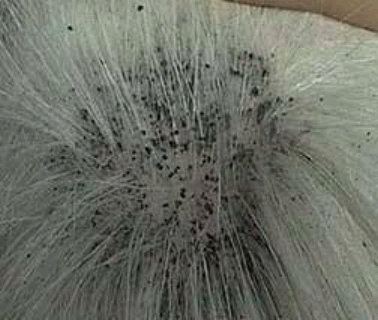
If you notice your pet scratching furiously and suspect fleas may be the culprit, there is an easy way you can check. Get a paper towel slightly wet and place your pet over top of it. Brush the pet's fur, letting fur and pet dander fall onto the paper towel. If dark spots are visible, and turn red, it could be the blood in flea feces as it dissolves. By visiting your vet, flea presence can be confirmed.

Once you know for sure, begin treating your pet and home. Carefully read all instructions and warnings on the product label as some can be dangerous if improperly used or administered to the wrong type of animal. Some chemicals can affect people and are unsafe for use around fish tanks. Be sure to follow all directions.

Treat all areas your pet spends time in. This includes your vehicle and yard. Vacuuming thoroughly before using treatments can force fleas to emerge from their cocoons, ensuring you eradicate as many as possible. Always empty and clean your vacuum after use, and get rid of bags immediately, sealing them in plastic bags and disposing of them away from you home.

With persistence and vigilance, you can have success in ridding your pet and home of fleas. Sometimes a repeat treatment is necessary to ensure complete eradication. Breaking the flea life cycle is imperative to ensuring they are no longer a problem for your pet and in your home.

Cat Diarrhea


Diarrhea is a cleansing mechanism of the body to rid of foreign substances that have irritated the bowel tract. Because diarrhea is abnormal we know that the cat is sick and we become frightened. Fortunately there are home remedies for cats which will aid the cat to return to its normal pattern. 

To restore your cat to becoming normal in the elimination process you need to consider feeding him bland foods such as chicken, beef, turkey, or lamb baby food. 

White Chicken or fish is also a good option. If your cat likes rice, macaroni, or potatoes mix any one of these with chicken or beef as treatment. 

Unflavored yogurt is another good choice to be considered. The yogurt helps to restore the necessary bacteria in the intestines. 

Do not give milk or other dairy products, as cats are lactose intolerant. Dairy products are difficult to digest and your cat is weak from the diarrhea. 

One day of diarrhea is okay, but if it lasts longer you will need to see your vet. And before you see your vet you will need to be prepared to help with the diagnosis as to the possibilities which might have caused the diarrhea. 

Here is a list of possibilities for the diarrhea:

Did you discover your cat eating out of the garbage? Did you introduce a new food? Has there been a change in activity? Is your cat experiencing stress? Has your cat played or eaten a non-food item? Has your cat eaten people food? Did any food that your cats consume contain dyes or artificial ingredients?

Also note any other symptoms that your cat may be experiencing. Symptoms may include vomiting, difficulty in walking, fever, and worms. These other symptoms could possibly indicate feline distemper or other types of diseases. 

One day is a light case of diarrhea and with the assistance of home remedies it will clear. However, if the diarrhea lasts more than one day and no matter what you do you cannot control it, see your vet. Do not let the diarrhea last more than twenty-four hours. After that time frame it becomes a very serious condition. 

Also kittens less than twelve weeks of age should be taken to the vet immediately. Do not let a whole day pass.

Fish Oil for Cats


Why Your Cat Needs Fish Oil

Fish Oil for Cats - Does your cat have dry, hairless patches? Does she show signs of low or no energy and stiff joints? Perhaps you have to get him a pharmaceutical grade fish oil with omega-3 fatty acids supplement. Say what? You might be considering right this moment.

Well, much like fish oil for human beings, fish oil for felines could help boost its immune system, cognitive functions, arthritis, behavior, levels of cholesterol, provide cancer prevention and give them a shiny coat.

Benefits of fish oil for cats can also assist with swelling which, if not treated, can lead to the kind of difficulties as strokes, heart attacks, high-cholesterol, early death, and many different kinds of infections.

Fish Oil for Cats is also really effective in treating numerous overall health difficulties and increasing their survival rate. Veterinarians are using fish oil with omega-3 fatty acids for cats in a regular therapy program because they are much more quickly absorbed into the system and show results faster than most of the others.

Exactly like our own food, their food lacks the extra Omega-3 fatty acids which they need just as much as we do. You may be asking yourself why you should worry about such a small dietary detail just for a cat, however let's be honest, exactly what would we do without having our furry friends? Study demonstrates those who own pets have far less health problems than individuals who do not special pets.

It has been verified that pet owners use a reduced heart attack mortality rate by 3%, better psychological well-being, reduced triglyceride and cholesterol levels, less stress, and visit the physician much less than people who do not have pets.

Research also show that kids who've pets experience a nurturing nature that might keep on into adult-hood, stay involved in extracurricular activities, for example sports activities, clubs, and hobbies, possess increased cognitive abilities, and less allergies when subjected to pets throughout their 1st years of life.

Right after giving the cat fish oil, you may not notice a change for some months. That is because, once again, the same as us, their systems change from within. From individual cells, to tissues, to organs, and ultimately the skin and hair become radiant. You don't have to purchase a special fish oil with omega-3 fatty acids for cats, the ones all of us use works just fine.

Omega-3 fatty acids that supply most advantages are DHA and EPA. Examine labels carefully to find the purest form of omega-3 fatty acids fish oil that filter out harmful toxins in the fish from the water streams they come from, making sure it has already been molecularly distilled in order to filter the harmful toxins that consist of the harmful chemicals mercury and dioxin. It's correct our cats need all of us for his or her well being just like we need them for our well being. Buy Fish Oil for Cats for your loved feline today
Fish Oil for Cats-Like fish oil for humans, Fish Oil for Cats can help improve cats immune system, cognitive functions, arthritis, behavior, cholesterol levels, provide cancer prevention and give them a shiny coat.

Information About Chlamydia in Cats


Both bacteria and viruses can cause conjunctivitis in cats. This condition is known as pink eye, the same thing that can affect dogs, humans, and other animals. Feline chlamydia results from a bacterial infection. Cats are usually infected with other viruses along with this disease like herpes virus and calicivirus. 

Chlamydia in cats usually affects those at the younger or older end of the spectrum. Those with damaged immune systems or other illness of some sort have an increased risk too. However, the bacterial infection can cause symptoms in any cat.

There is an assortment of ways that feline chlamydia can be transmitted. The bacteria can be passed via eye discharge, nose secretions, or saliva from infected cats. Mothers are also capable of transmitting the disease to their kittens while giving birth.

You should also know that it's possible chlamydia in cats to be transmitted in indirect ways. The bacteria can live in bedding, food dishes, and other places and can infect your cat if he comes into contact with them. Owners can also harbor the bacteria on their hands and pass it along to their felines.

Seeing the white of your cat's eyes turn red is one of the primary signs of feline chlamydia. The eye may also swell, with the third eyelid closing partially. Discharge that's very watery may also appear from the eyes. All of this will irritate your cat's eye, causing him to paw at it frequently. This illness may only cause symptoms in one eye at first. Eventually though, both eyes will likely experience problems. As mentioned, chlamydia in cats usually occurs at the same time as other respiratory conditions. Cats may have a fever, discharge from the nose, coughing, and sneezing if this occurs. 

Feline chlamydia doesn't usually prove difficult to treat as long as it's mild. Antibiotics can get rid of the bacteria. They may be given orally or placed directly in the affected eyes. The condition can get more problematic though if there are other problems at the same time. Your cat may have an upper respiratory illness that requires hospitalization.

Whenever giving your cat antibiotics to treat any condition, it's vital to go through the entire regimen. If you don't, then the bacteria you're trying to get rid of may mutate and grow stronger. If this happens, they may become resistant to the antibiotics.

If you have multiple cats in your household, then you'll especially need to be careful with feline chlamydia. It can easily be transmitted to other cats. Keep infected cats in seclusion. Disinfect bedding, food dishes, and other places that can harbor the bacteria. Also, make sure that you wash your hands thoroughly after you touch the infected cat so that you don't spread it to your other felines.
Hopefully, you're aware that there are many different conditions that can affect your cat such as rhinotracheitis in felines. Learning about these conditions will help you get your cat treated quickly in case he does fall ill. Make sure you stop by common-cat-diseases.com right now to learn about many of these diseases in felines.